
Understanding Fillers: A Complete Guide
In the perpetually changing landscape of cosmetic procedures, fillers have become incredibly popular for their potential to reverse the signs of aging by restoring youthful shapes and revitalizing skin without surgery. These injected materials provide a less invasive approach to addressing a myriad of concerns—from wrinkles to volume loss due to age. Below is an in-depth examination of what fillers are, their classifications, advantages, disadvantages, and what to anticipate from the procedure.
What Are Fillers?
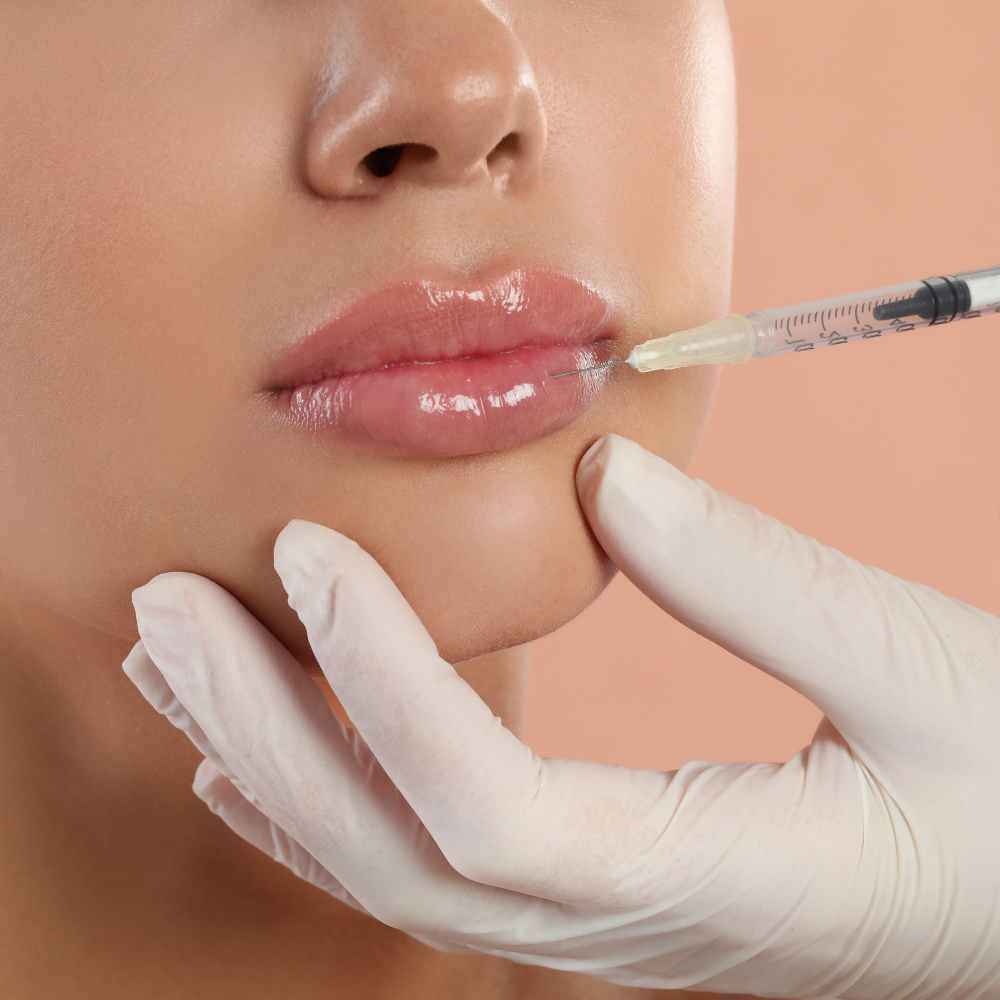
Fillers, also known as dermal injections or injectable fillers, are gel-like materials used under the skin. They help restore lost volume, smooth lines, reduce wrinkles, and improve facial shapes. Made from safe substances, they provide quick results with minimal or no recovery time. These treatments are not just for the face; they can also refresh hands and fix shape issues in other areas.
Types of Fillers
There are a variety of fillers, each used for particular indications:
Hyaluronic Acid (HA): is the most common type. It naturally occurs in the skin and provides hydration and volume. Products like Juvéderm and Restylane are popular for plumping lips, softening nasolabial folds, and restoring cheek volume.
Calcium Hydroxylapatite: is a mineral compound found in bone. This injectable works best for deeper lines, such as marionette lines and nasolabial folds. It stimulates natural collagen and gives structure and definition to the face.
Poly-L-lactic Acid (PLLA): does not offer immediate volume. Instead, it encourages collagen production over time, gradually filling in sunken cheeks and deep lines. Results can last up to two years.
Polymethylmethacrylate (PMMA) :contains microspheres in a collagen gel. This semi-permanent treatment corrects wrinkles and scars while promoting long-term collagen production. It is especially good for deeper facial folds.
Autologous Fat Transfer (Fat Grafting): involves collecting a patient’s own fat from another area of the body and reinjecting it into the face. It has a low risk of allergic reaction and is ideal for restoring facial volume and filling hollows.
Each method has its own benefits, duration, and suggested areas. Therefore, consulting a specialist is essential to find the best option for your needs.
.
Common Areas Treated
Fillers can resolve a variety of aesthetic issues:
- Smiling lines (nasolabial folds)
- Marionette lines (lines from mouth corners to chin)
- Thin or uneven lips
- Cheek and chin augmentation
- Jawline definition
- Under-eye hollows (tear troughs)
- Acne scars and facial depressions
- Hand rejuvenation
- Nose reshaping (non-surgical rhinoplasty)
Advantages of Fillers
Immediate Results: Most fillers create noticeable improvement immediately upon injection.
Non-invasive: Little downtime and no incisions or anesthesia needed.
Tailorable: Treatments can be individualized to each person’s facial structure and desires.
Natural-Looking Enhancement: Contemporary fillers blend harmoniously for subtle restoration.
Collagen Stimulation: Certain fillers stimulate the body to make its own collagen, providing long-term skin enhancements.
Risks and Considerations
Fillers are safe when used by qualified professionals, but they do pose some risks:
- Temporary Side Effects: Swelling, bruising, redness, tenderness, and temporary discomfort are normal and usually fade away in a week.
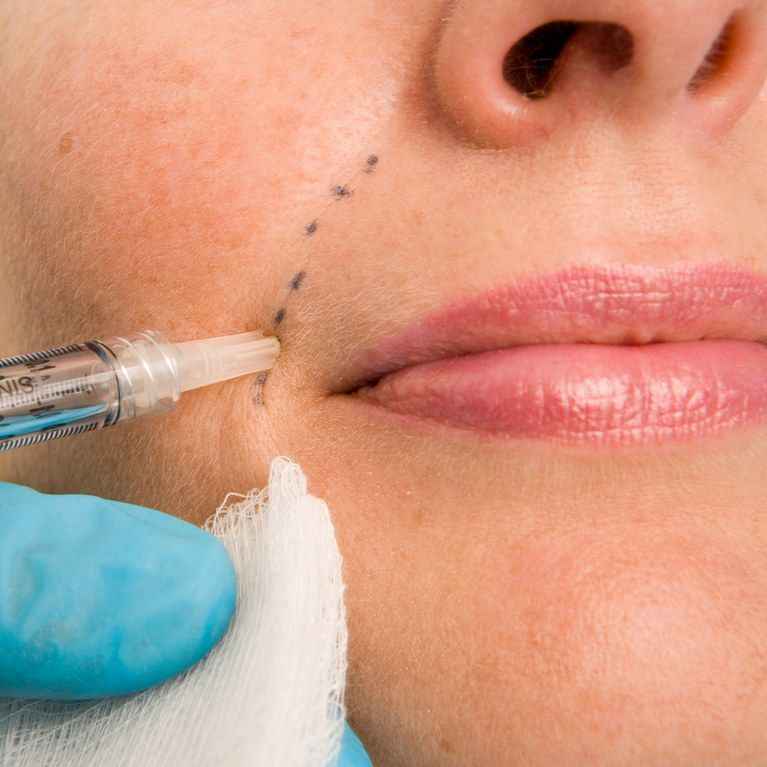
- Infrequent Complications: Infection, allergic reactions, lumps or nodules, and rarely, accidental injection into a blood vessel with risks of causing serious complications like tissue death, stroke, or blindness.
- Longevity: Effects are temporary and are specific to the filler used and the treated area, from several months to several years. Repeated injections are required to ensure optimal effects.
- Removal: An enzyme can dissolve hyaluronic acid fillers if necessary, but others will need surgery to remove.
- Expertise Required: Having an experienced and skilled practitioner is vital to avoid risks and achieve the best results.
The Filler Procedure: What to Expect
A standard filler procedure includes:
- Consultation: Facial anatomy examination, goal discussion, and determination of the most appropriate filler.
- Preparation: Use of numbing cream or fillers pre-mixed with anesthetic for increased comfort.
- Injection: The filler is injected in strategic areas by the practitioner. The process typically lasts 30–60 minutes, and the effects are immediately seen.
- Aftercare: Minimal bruising and swelling can be expected but will clear within a few days. Patients are usually able to continue with regular activities soon after treatment.
.
In Summary
Fillers offer a flexible, safe, and potent means of restoring youthful shapes, filling in wrinkles, and augmenting facial features. With multiple types of fillers and a wide range of applications, they provide individually tailored choices for individuals who desire subtle or more dramatic results. Nevertheless, close consultation with a qualified practitioner is the secret to obtaining safe, gratifying, and natural-appearing results.